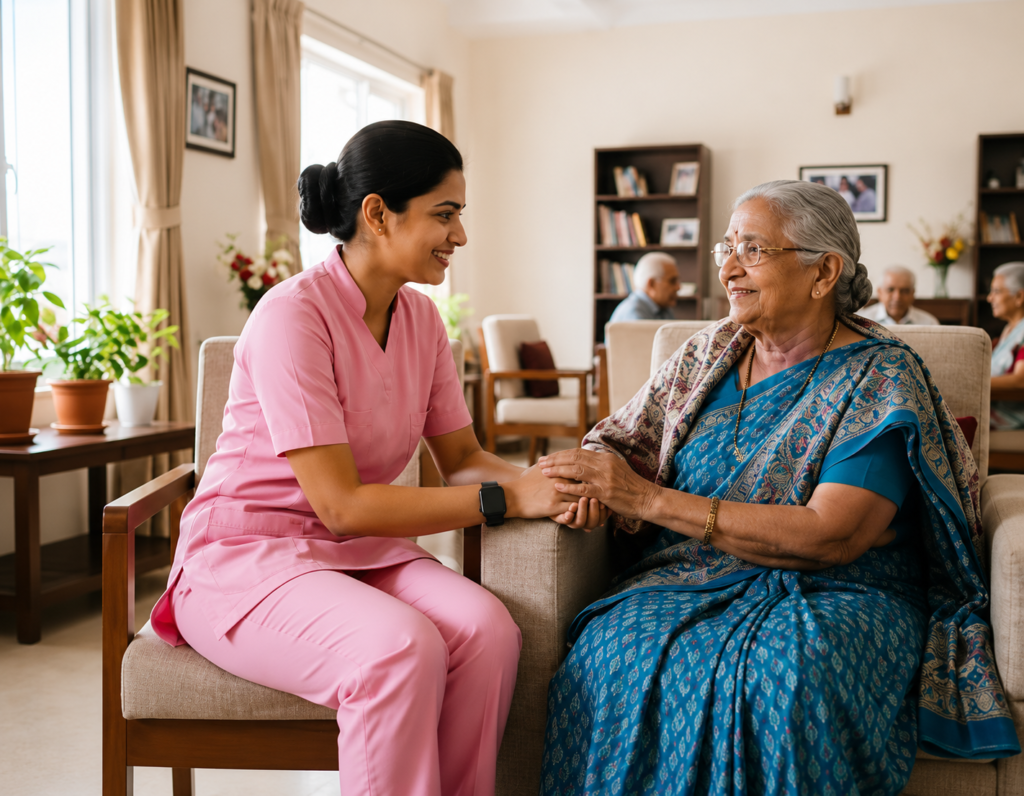
A Complete Guide for Family Caregivers
Caring for a loved one is one of the most meaningful responsibilities a person can take on. Whether you’re helping an aging parent, a spouse recovering from illness, or a family member with a chronic condition, family caregiving requires compassion, patience, and dedication. While rewarding, caregiving can also be physically and emotionally demanding.
This complete guide provides practical advice to help family caregivers provide quality care while maintaining their own well-being.
Understanding the Role of a Family Caregiver
A family caregiver assists a loved one with daily activities, medical needs, emotional support, and overall well-being. Caregiving responsibilities can range from occasional assistance to full-time care, depending on the individual’s needs.
Common Caregiving Duties Include:
- Personal care and hygiene assistance
- Meal preparation and nutrition support
- Medication reminders
- Transportation to appointments
- Household management
- Mobility assistance
- Emotional companionship
- Coordination with healthcare providers
Understanding your responsibilities can help you create a structured and manageable caregiving routine.
Create a Care Plan
A care plan helps organize daily responsibilities and ensures that all needs are addressed consistently.
Your Care Plan Should Include:
- Medical conditions and treatment plans
- Medication schedules
- Emergency contact information
- Daily routines and preferences
- Dietary requirements
- Appointment schedules
- Mobility and safety needs
Having a written care plan can improve communication among family members and healthcare professionals.
Prioritize Home Safety
A safe home environment is essential for preventing accidents and supporting independence.
Home Safety Tips:
- Remove clutter and tripping hazards
- Install grab bars in bathrooms
- Improve lighting throughout the home
- Secure loose rugs and cords
- Keep emergency numbers accessible
- Ensure mobility aids are in good condition
Small safety improvements can significantly reduce the risk of falls and injuries.
Support Healthy Nutrition and Hydration
Proper nutrition is vital for maintaining strength, energy, and overall health.
Caregiver Tips:
- Prepare balanced, nutrient-rich meals
- Encourage regular hydration
- Monitor changes in appetite
- Accommodate dietary restrictions
- Keep healthy snacks readily available
Good nutrition can support recovery, immunity, and daily functioning.
Manage Medications Carefully
Medication errors can lead to serious health complications.
Best Practices:
- Use a pill organizer
- Follow medication schedules precisely
- Maintain an updated medication list
- Set reminders for doses
- Monitor for side effects
- Consult healthcare providers about concerns
Proper medication management helps ensure safe and effective treatment.
Encourage Physical Activity
Regular movement helps maintain mobility, strength, and independence.
Activities May Include:
- Daily walks
- Gentle stretching
- Chair exercises
- Physical therapy exercises
- Light household activities
Always follow healthcare provider recommendations regarding exercise and activity levels.
Monitor Physical and Emotional Health
Caregivers should pay attention to changes in both physical and emotional well-being.
Watch for:
- Weight loss or appetite changes
- Increased fatigue
- Mobility difficulties
- Mood changes
- Memory concerns
- Signs of depression or isolation
Early recognition of health concerns can lead to timely intervention and better outcomes.
Communicate with Healthcare Providers
Strong communication with doctors, nurses, and therapists helps ensure coordinated care.
During Appointments:
- Prepare questions in advance
- Bring updated medication lists
- Take notes during visits
- Share observations about changes in condition
- Clarify care instructions
Being actively involved in healthcare decisions can improve the quality of care.
Encourage Independence
While it may be tempting to do everything for your loved one, encouraging independence is important for maintaining confidence and dignity.
Ways to Promote Independence:
- Allow participation in daily tasks
- Offer assistance only when needed
- Encourage decision-making
- Support hobbies and interests
- Focus on abilities rather than limitations
Maintaining independence can improve emotional well-being and self-esteem.
Take Care of Yourself
One of the most overlooked aspects of caregiving is caregiver self-care.
Caregiver Wellness Tips:
- Get adequate sleep
- Eat nutritious meals
- Stay physically active
- Accept help from family and friends
- Take regular breaks
- Maintain social connections
- Seek support when needed
Remember that caring for yourself is essential to providing quality care for others.
Recognize Signs of Caregiver Burnout
Long-term caregiving can become overwhelming without proper support.
Common Signs of Burnout:
- Chronic fatigue
- Irritability or frustration
- Anxiety or depression
- Difficulty concentrating
- Withdrawal from social activities
- Feeling overwhelmed
Recognizing these signs early can help prevent serious emotional and physical strain.
Know When to Seek Professional Help
There may come a time when additional support is needed.
Professional Care Services Can Help With:
- Personal care assistance
- Skilled nursing services
- Respite care
- Overnight care
- Rehabilitation support
- Doctor home visits
- Specialized dementia care
Seeking help is not a sign of failure—it is often the best way to ensure your loved one receives the care they need.
Build a Support Network
Caregiving should not be a journey taken alone.
Sources of Support Include:
- Family members
- Friends and neighbors
- Healthcare professionals
- Community organizations
- Caregiver support groups
- Professional home care providers
A strong support system can reduce stress and improve the caregiving experience.
Benefits of Effective Caregiving
When caregivers are supported and equipped with the right knowledge, they can help their loved ones:
- Maintain independence
- Improve safety and comfort
- Manage health conditions effectively
- Enhance emotional well-being
- Enjoy a better quality of life
At the same time, caregivers can experience greater confidence, reduced stress, and a more balanced caregiving journey.
Conclusion
Family caregiving is both a responsibility and a privilege. While the journey can be challenging, proper planning, education, and support can make a significant difference. By focusing on safety, health, communication, and self-care, family caregivers can provide compassionate, effective care while maintaining their own well-being.
Remember, you do not have to do everything alone. Seeking support when needed is one of the most important steps in providing the best possible care for your loved one.